Skip to content

Robertson Studio

My WordPress Blog

Menu
  • Sample Page
Menu

Roman Commissioning

Posted on August 31, 2026
2 Min Read

Roman Commissioning

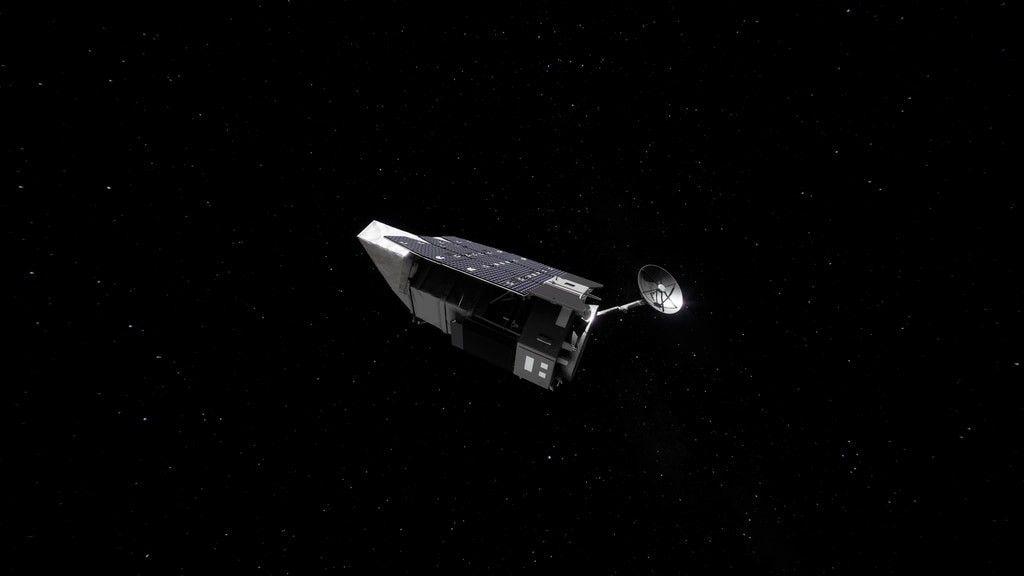
Beauty pass of Roman Space Telescope

Beauty pass of Roman, coming around from behind with high-gain antenna rotating.

Credits:
NASA’s Goddard Space Flight Center/Conceptual Image Lab

Where is Roman?

Roman is making its three-month journey from Earth to Sun-Earth Lagrange Point 2, or L2. Along the way, Roman is undergoing a process called commissioning, where systems are turned on, adjusted, calibrated, and prepared for science operations. Commissioning is the time for scientists and engineers to make sure that Roman is performing as expected. The schedule is subject to change as the team assesses and adjusts as needed.


Visit the Roman Blog

To view this video please enable JavaScript, and consider upgrading to a web browser that
supports HTML5 video

Deployments

An hour and 23 minutes after launch, Roman began to emerge from the tight configuration that allowed it to fit in the rocket fairing. The solar panels and sunshade deployed, shading the rest of the observatory and providing power to the systems. Within the upcoming days, the antenna will swing out and the visor-like deployable aperture cover will move into place to permanently reveal and shade the primary mirror.

To view this video please enable JavaScript, and consider upgrading to a web browser that
supports HTML5 video

Roman’s Orbit

This visualization shows the stable, halo orbit that Roman will have around L2. At this location, the gravity of the Sun and Earth, together with an object’s motion around the Sun, let it stay lined up with Earth as they orbit, allowing Roman to have a relatively steady orbit without using much fuel. This location also offers exceptionally stable optical performance and a constant, unobstructed view of a wide swath of the sky; Earth won’t block much of Roman’s view since it will be so distant. And at L2, heat from Earth, the Sun, and the Moon have less effect on infrared telescopes, which “see” heat.

To view this video please enable JavaScript, and consider upgrading to a web browser that
supports HTML5 video

To view this video please enable JavaScript, and consider upgrading to a web browser that
supports HTML5 video

Unable to render the provided source

Explore the Roman Systems

Learn more about the systems that are getting turned on, tested and calibrated.

Unable to render the provided source

3D View


Click and drag to rotate

Downloads

gltf-binary File (3D Model) 28.28 MB

Keep Exploring

Discover More Topics From NASA

Missions


Humans in Space


Climate Change


Solar System

Source: science.nasa.gov

Leave a Reply Cancel reply

Your email address will not be published. Required fields are marked *

Partners

best sweepstakes casino
no deposit bonus
new online casino

Recent Posts

  • Steel and Stone: Army Corps of Engineers Reflects on 9/11 25 Years Later
  • The National 9/11 Pentagon Memorial: What to Know Before You Visit
  • NASA Adds Relativity Space’s Terran R to Launch Services Contract
  • Dust Storm Sweeps Over Mali
  • APOD: 2026 September 10 – LDN 1295: The Giraffe Nebula

Recent Comments

  1. A WordPress Commenter on Hello world!

Archives

  • September 2026
  • August 2026
  • July 2026

Categories

  • games
  • Uncategorized
©2026 Robertson Studio | Design: Newspaperly WordPress Theme