Skip to content

Robertson Studio

My WordPress Blog

Menu
  • Sample Page
Menu

Curiosity Blog, Sols 5016–5021: Fantastic Minerals and How To Detect Them

Posted on October 1, 2026

    • Mission Overview
    • Where is Curiosity?
    • Mission Updates
    • Overview
    • Instruments
    • Highlights
    • Exploration Goals
  • News and Features
    • Curiosity Raw Images
    • Images
    • Videos
    • Audio
    • Mosaics
    • More Resources
    • Mars Perseverance Rover
    • Mars Curiosity Rover
    • Mars Reconnaissance Orbiter
    • Mars Odyssey
    • More Mars Missions
  • Mars Home

3 min read

Curiosity Blog, Sols 5016–5021: Fantastic Minerals and How To Detect Them
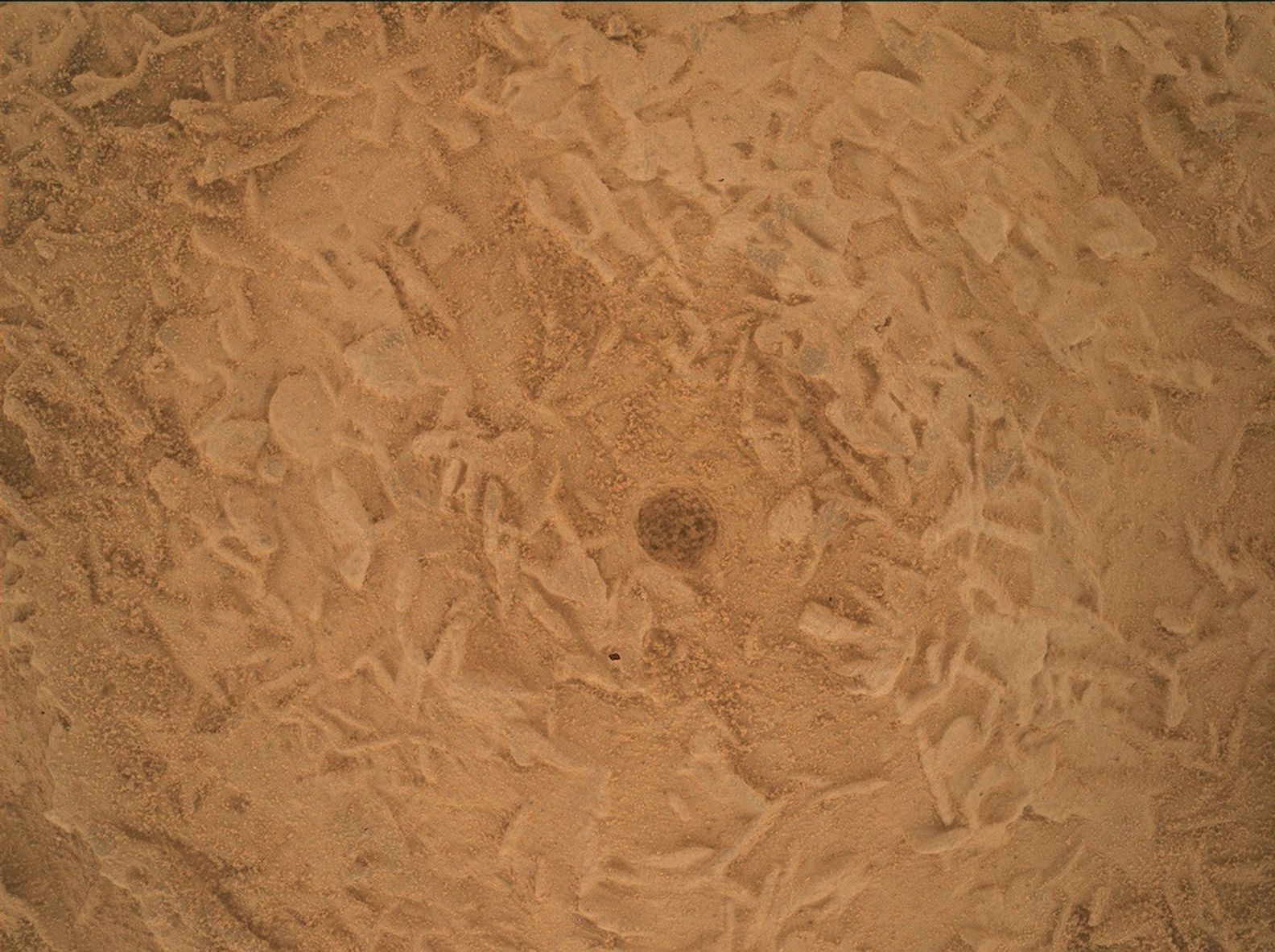
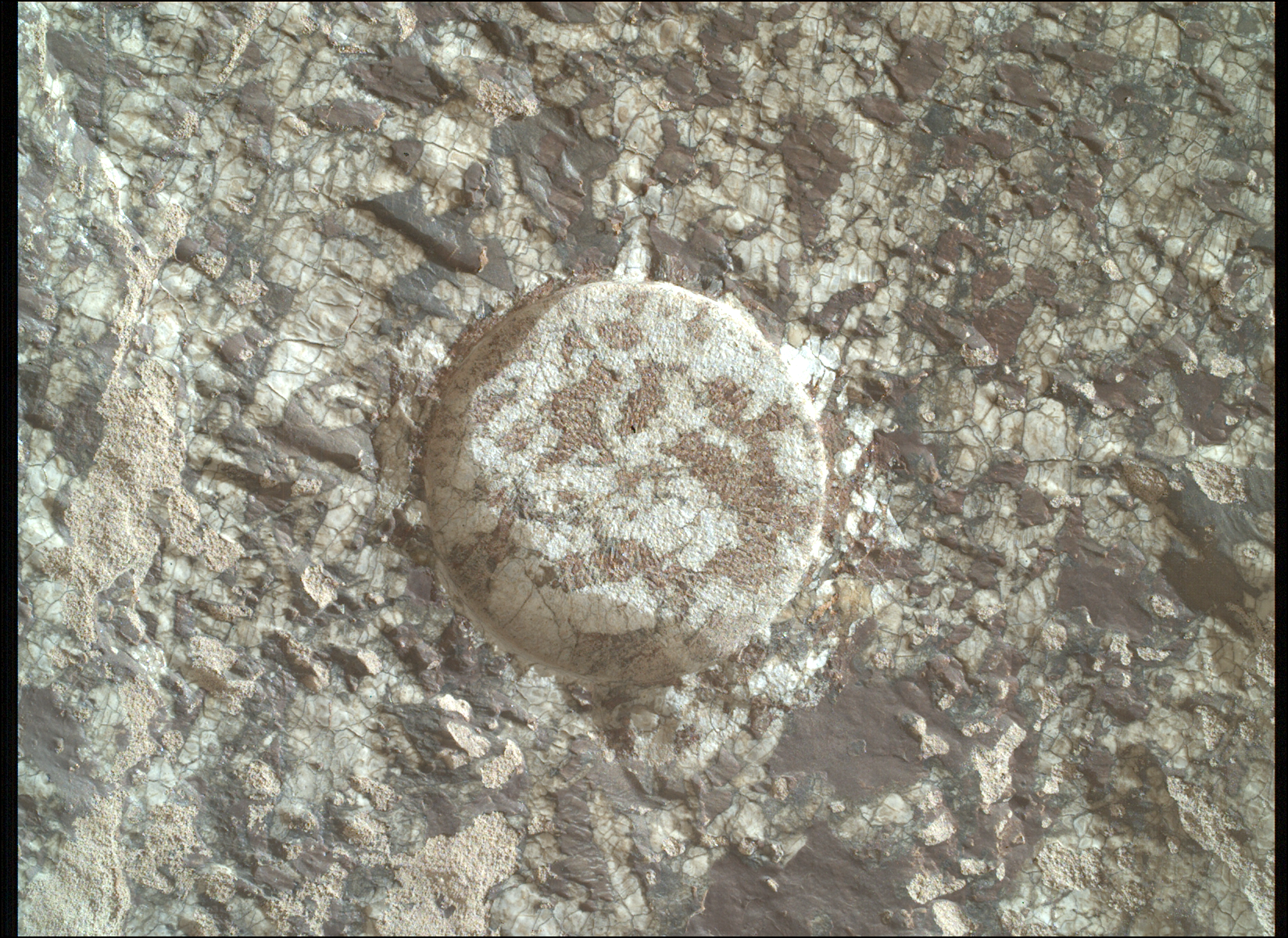
A close-up view of a dusty, reddish-brown Martian rock surface taken by the Curiosity rover. The surface is highly textured, covered with a complex network of small, raised, intersecting ridges that resemble tiny blades or crystals buried under a fine layer of sand. Right in the center of the frame is a small, distinct, dark circular hole.
NASA’s Mars rover Curiosity generated this close-up image of a brushed spot on bedrock (informally named “Salar de Vacas”), showing a jumble of roughly disc-shaped features as well as a divot generated by the brushing from the rover’s Dust Removal Tool (DRT). The features are about 3-4 millimeters across (about 0.12-0.16 inches) and about 1 millimeter thick (about 0.04 inches). Curiosity created the image using its Mars Hand Lens Imager (MAHLI), a close-up camera located on the turret at the end of the rover’s robotic arm, and an onboard focusing process that merges multiple images of the same target at different focus positions, creating a composite that brings as many features into focus as possible. Curiosity performed the focus merge on Sept. 16, 2026 — Sol 5016, or Martian day 5,016 of the Mars Science Laboratory Mission — at 02:14:02 UTC.
NASA/JPL-Caltech/MSSS

Written by Lucy Lim, Planetary Scientist at NASA Goddard Space Flight Center

Earth planning date: Friday, Sept. 18, 2026

Curiosity surprised us at the beginning of the week with a change in rock texture — instead of the finely layered bedrock blocks we’ve been seeing in our recent sulfate unit workspaces, suddenly we were looking at blocks covered (and likely filled) with a jumble of small disc-shaped lumps. We’ve seen somewhat similar features before much earlier in the mission — for example, close to the Pahrump Hills back in the Murray mudstones, and they’re sometimes seen in Earth rocks as well, especially in settings in which minerals were precipitating from an evaporating fluid. The disc-like shapes could be created by the growth habits of a specific crystalline mineral that is known to grow into similar shapes, or they could be bits of a harder rock layer that broke up and collected here. We planned Mastcam and MAHLI imaging for more morphological detail on the jumbled disc blocks (“Yungay,” “Chiu Chiu”) as well as LIBS (“Puya Raimondii,” “Liolaemus Tacnae,” “Pisqu Warkatana”) and APXS (“Salar de Vacas”) to investigate their composition. 

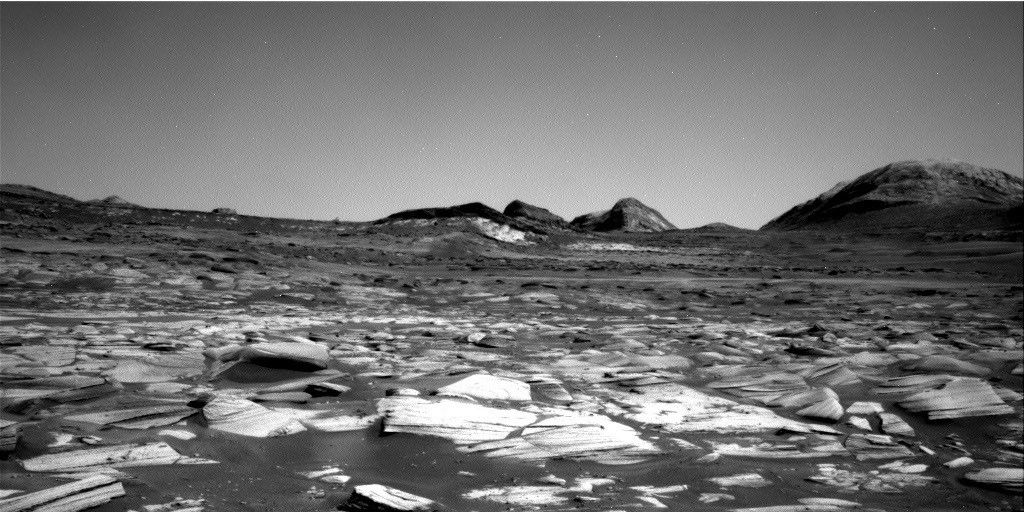
Ongoing long-distance imaging projects were furthered by ChemCam long-distance remote imager (RMI) and Mastcam mosaics of the buttes on either side of Valle Grande. These “cutaway”-view images of the strata above the rover will help us map sedimentary structures in these upcoming units and understand how these rocks formed and eroded. Views of more recent erosional deposits will also help us to understand the formation of Valle Grande itself.

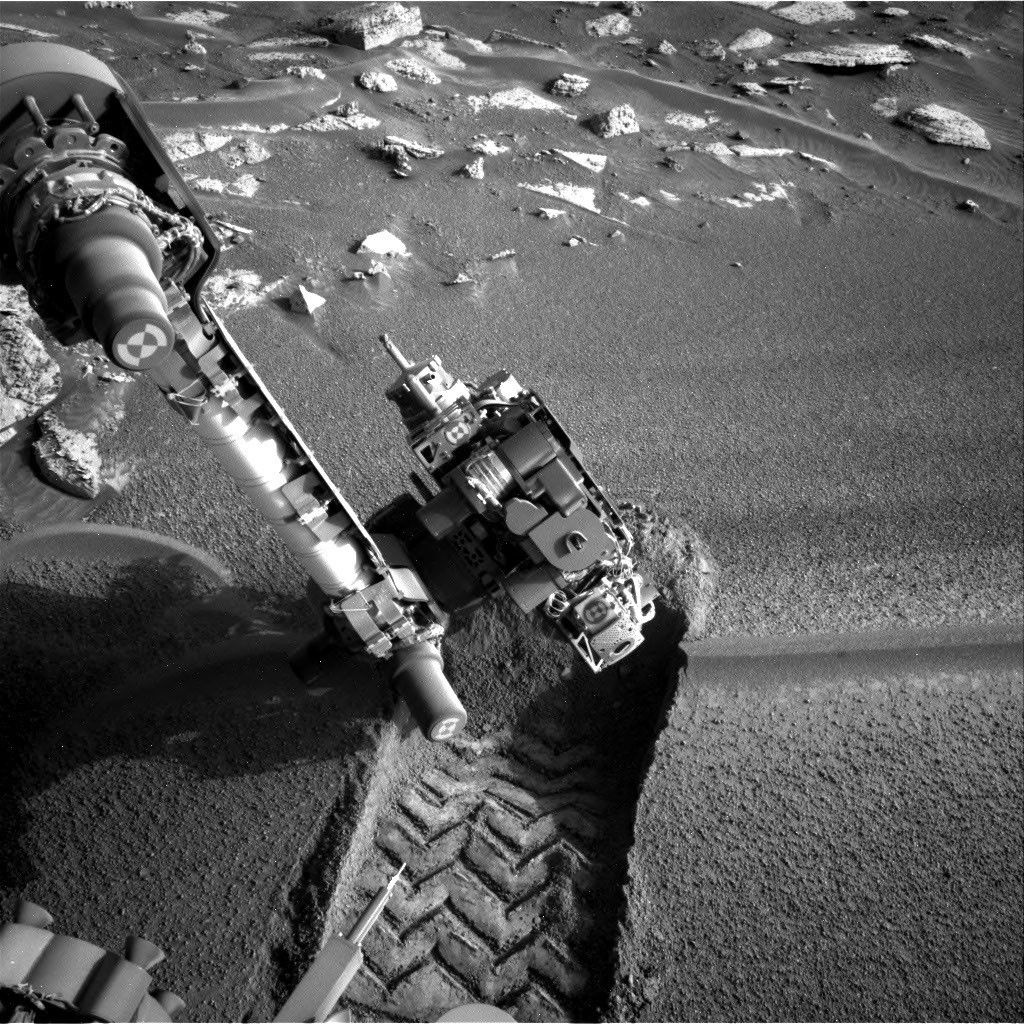
In order to identify minerals, Curiosity needs data from the CheMin X-ray diffraction instrument, which means a drill campaign. We’ve driven over a kilometer since our last drill site at Campo Marte, and this will be our first drill above the erosional supersurface. The Wednesday plan’s drive brought us up next to a promising drill workspace a little beyond where we saw the disc-shaped features discussed above (imaged as “Torres del Paine” by Mastcam) and Friday’s planning included site characterization with the instruments on Curiosity’s arm (“Alberta Wild Rose,” “Moonraker Mountain”), ChemCam LIBS (“Osoyoos”), and Mastcam (“Trincomali Channel,” “Yellow Lady’s Slipper”). The team also selected a specific drill target and planned a very short drive to bring it in range of the arm — first for contact science and then, if all goes well, for the preload test and drill.

I’ll be back on planning on Monday as Geology and Mineralogy Science Theme Lead for Drill Sol 1 (Triage Contact Science) and we’ll see how things go from there!
  • Want to read more posts from the Curiosity team?


    Visit Mission Updates

  • Want to learn more about Curiosity’s science instruments?


    Visit the Science Instruments page

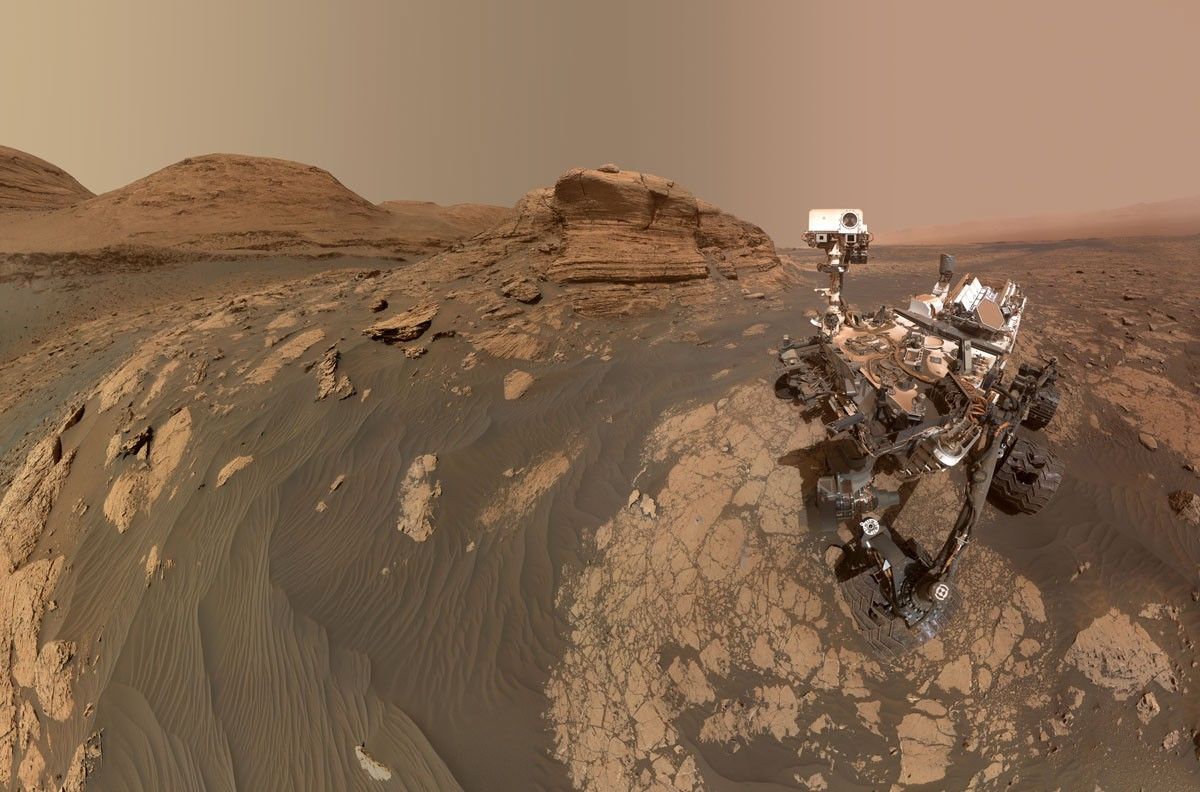
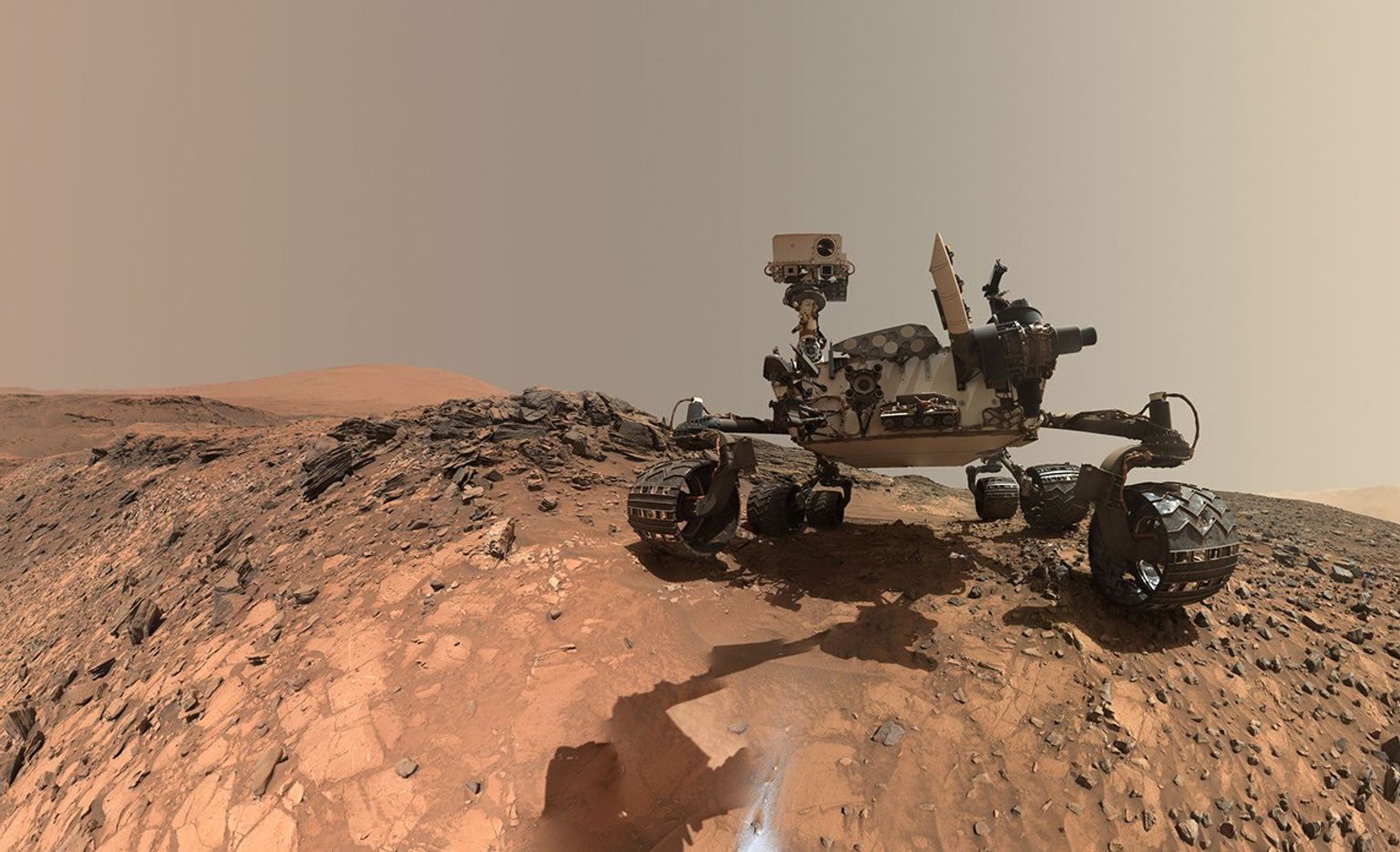
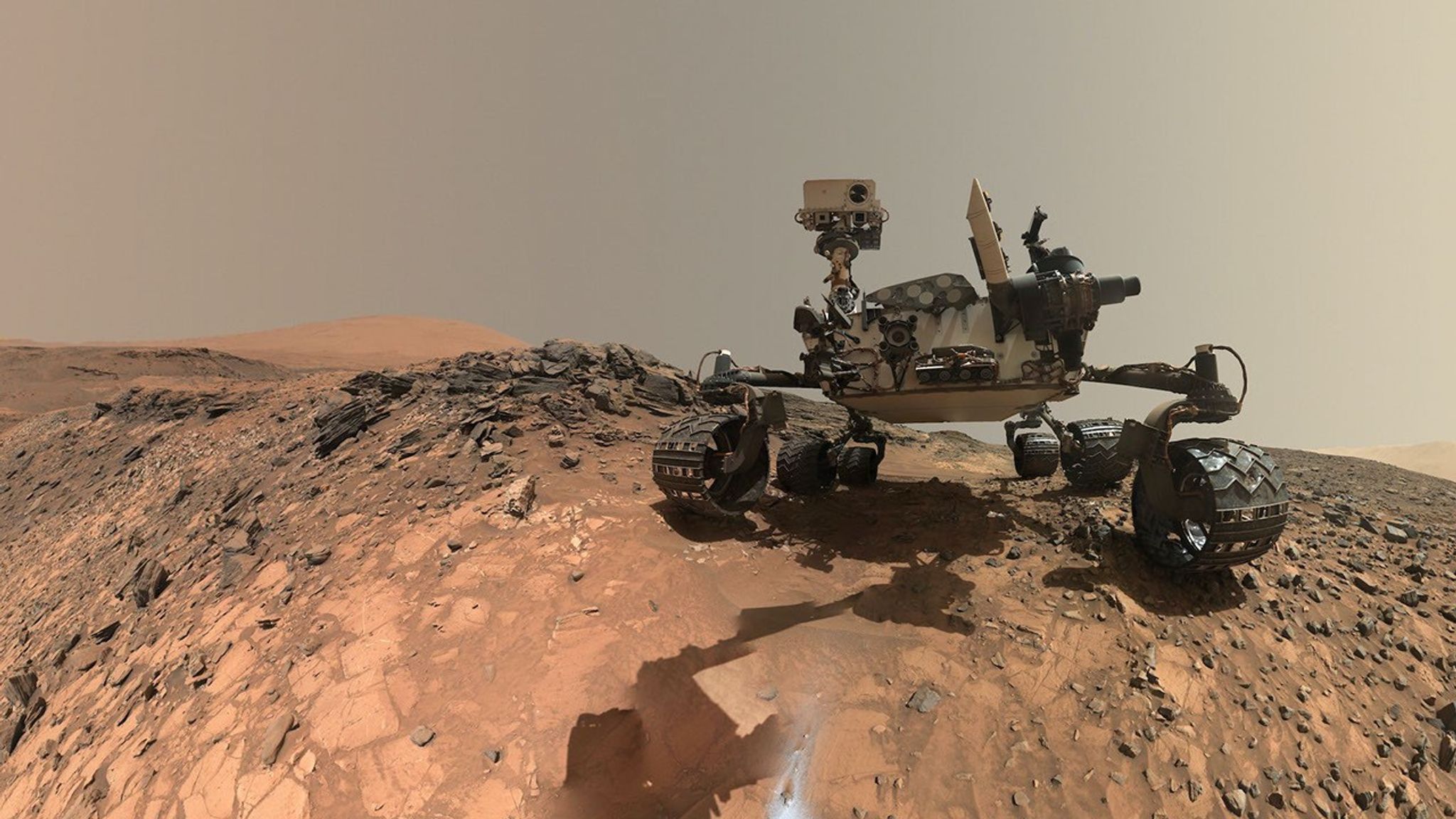
A rover sits on the hilly, orange Martian surface beneath a flat grey sky, surrounded by chunks of rock.
NASA’s Curiosity rover at the base of Mount Sharp
NASA/JPL-Caltech/MSSS

Share

Details

Last Updated

Sep 30, 2026

Related Terms

  • Blogs

Explore More

3 min read

Mars Has Its Charmes

Article


2 days ago

3 min read

Curiosity Blog, Sols 5010-5015: Checking out the Bands

Article


1 week ago

2 min read

Curiosity Blog, Sols 5002-5009: Tough Planning To Learn More About Wind-Blown Sediments

Article


2 weeks ago

Keep Exploring

Discover More Topics From NASA

Mars

Mars is the fourth planet from the Sun, and the seventh largest. It’s the only planet we know of inhabited…


All Mars Resources

Explore this collection of Mars images, videos, resources, PDFs, and toolkits. Discover valuable content designed to inform, educate, and inspire,…


Rover Basics

Each robotic explorer sent to the Red Planet has its own unique capabilities driven by science. Many attributes of a…


Mars Exploration: Science Goals

The key to understanding the past, present or future potential for life on Mars can be found in NASA’s four…

Source: science.nasa.gov

Leave a Reply Cancel reply

Your email address will not be published. Required fields are marked *

Partners

best sweepstakes casino
no deposit bonus
new online casino

Recent Posts

  • Face of Defense: Soldier Fights Back From Cancer Diagnosis to Become a Drill Sergeant and CrossFit Athlete
  • NASA Awards Contract to Develop 5G Communications for Moon
  • NASA Adds New Science Investigations for Moon Base
  • Help Overlap Zoo Reveal Cosmic Dust
  • Curiosity Blog, Sols 5016–5021: Fantastic Minerals and How To Detect Them

Recent Comments

  1. A WordPress Commenter on Hello world!

Archives

  • October 2026
  • September 2026
  • August 2026
  • July 2026

Categories

  • games
  • Uncategorized
©2026 Robertson Studio | Design: Newspaperly WordPress Theme